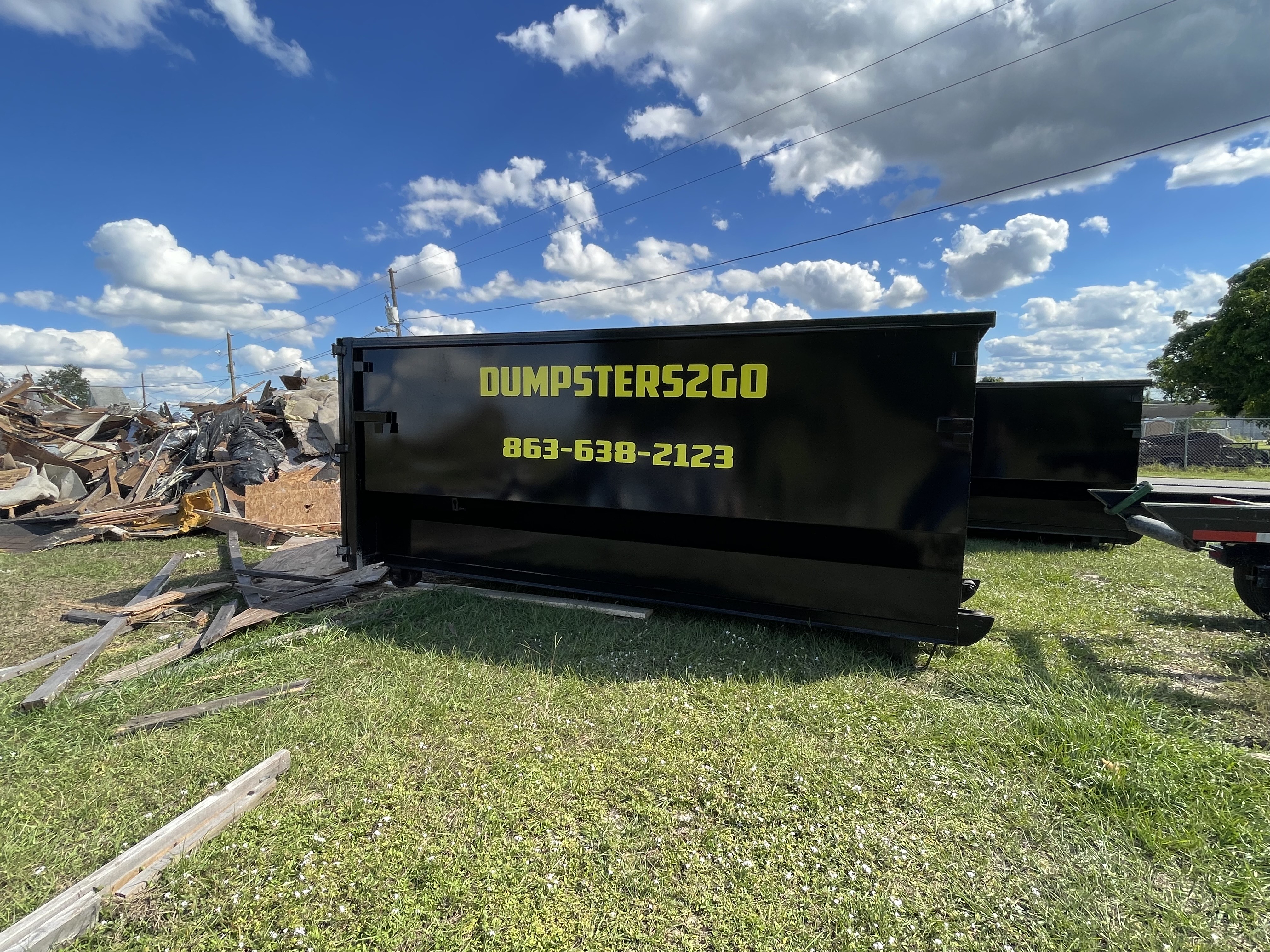
Top Tips for Choosing the Right Dumpster Size for Your Project Mar 23, 2026
Firstly, it's essential to evaluate the scope of your project. Understanding what and how much you plan to dispose of will guide you towards a size that can accommodate your waste without frequent exchanges or overflow. Smaller projects, like a garage cleanout or minor home renovation, typically require a 10-yard dumpster. This size is perfect for debris like drywall, wood, and small furniture pieces. For medium-sized projects, such as kitchen renovations or roofing jobs, a 20-yard dumpster often provides adequate space for removal of heavier materials like tiles and large appliances.
Larger construction or commercial projects may necessitate 30-yard or even 40-yard dumpsters. These sizes are ideal for demolitions or major remodels, where substantial volumes of waste are generated and efficient removal is crucial to maintaining project timelines. It's advisable to estimate your needs generously; underestimating can lead to additional rental costs and potential delays.
Another critical consideration is the type of materials you'll dispose of, as this affects both the choice of dumpster size and the associated rental costs. Different materials have different weights and density, which influence how they fit into a dumpster. Heavy debris like concrete or asphalt, even in small quantities, can fill and tip dumpsters quickly due to weight restrictions. For mixed materials, such as green waste and general refuse, a larger bin will accommodate the volume without exceeding safe weight limits.
Location is another factor impacting your dumpster size decision. Measure the available space where the dumpster will be placed. Ensure there is ample room for delivery and pickup while considering any local regulations or restrictions that might affect where dumpsters can be placed. If space is tight, opting for a smaller dumpster and arranging more frequent pickups could be the solution, avoiding fines or disruptions to your project.
Seek professional guidance if you're unsure about the right choice. At Dumpsters2Go, our experienced team can offer personalized advice based on the specifics of your project. We’ll help you navigate through estimates and permit requirements, ensuring a hassle-free experience while optimizing your waste management process.
In conclusion, the key to selecting the perfect dumpster size is to consider the scope, materials, location, and space before making your final decision. Proper planning enables you to keep your project on track while maintaining budget efficiency. By following these tips, you're not just simplifying your cleanup; you're working smarter. Dumpsters2Go is committed to making your waste management tasks as seamless as possible, providing reliable services that allow you to focus on what you do best—completing your project successfully.
/filters:no_upscale()/filters:format(webp)/media/481cb149-c71f-4561-9891-618bd3264830.jpeg)
/filters:no_upscale()/filters:format(webp)/media/32839dd0-db26-4ffd-a755-c066133848a4.jpeg)